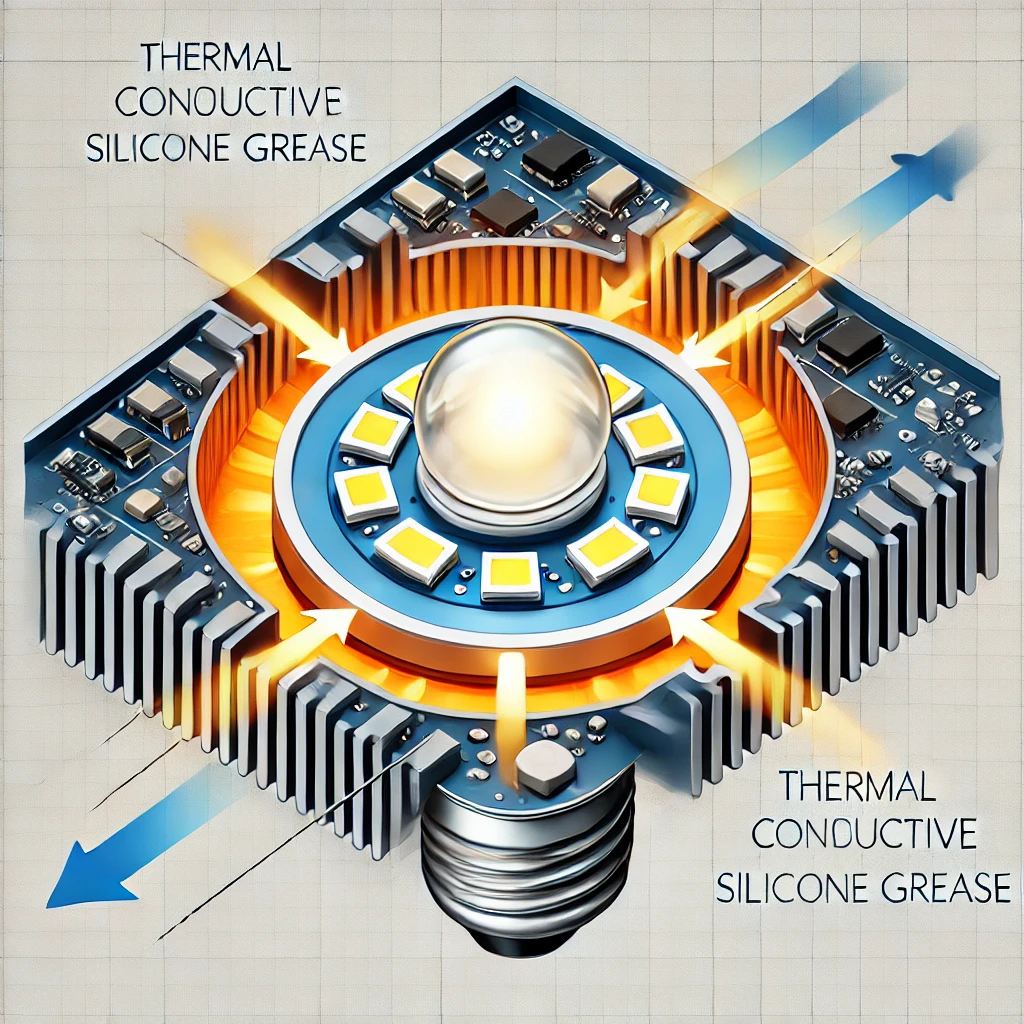
If you’ve been following the AI hardware space, you already know that chips are getting faster — and hotter. NVIDIA’s H100 GPU alone can draw over 700W under load. Multiply that across a full server rack and you’re managing serious heat in a very small space and thermal interface materials shows on AI application.
That’s where thermal interface materials come in. TIM — the compound, pad or gel sitting between a chip and its heat sink — is one of the most overlooked components in an AI server build. It shows thermal interface materials for AI. But ask any thermal engineer who has dealt with throttling or early component failure, and they’ll tell you: the TIM choice matters more than most people think.
The challenge with AI workloads is consistency. These systems run at high utilization for extended periods, which means repeated thermal cycles, sustained pressure on interfaces and no tolerance for pump-out or dry-out over time. A thermal paste that works fine in a consumer PC may degrade within months in a data center environment.
At KNS, we’ve seen growing demand from server and AI hardware manufacturers specifically for compounds with stable long-term conductivity, low bleed-out and compatibility with automated dispensing lines. It’s a different set of requirements than five years ago.
If you’re specifying TIM for an AI server project — or re-evaluating what you’re currently using — we’re happy to send samples and technical data. We’ve been working on heat dissipation problems since 1989, and this particular problem is one we find genuinely interesting.